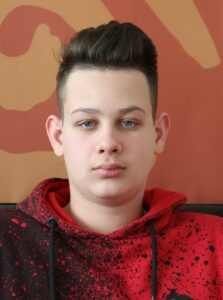
As a second-year student at the Faculty of Public Administration and International Studies at the National University of Public Service, I was thrilled to be accepted into the Ostrakon Collegium in the fall semester of 2024 (October). This student organization is one of the three largest academic societies at the faculty. Ostrakon’s main strength lies in practicing debate culture and organizing professional programs with public and political figures.
Every year, newly accepted members are required to write a MiniTDK paper. The research is considered “mini” because the formal requirements are simplified—compared to a thesis (about 40-50 pages), the MiniTDK (about 25-30 pages) is shorter and more concise. Nevertheless, citation rules, editing, and proper formatting are still mandatory expectations. For the preparation of the paper, we also chose advisors who have more experience and have placed in ITDK or OTDK or are currently writing their theses. The topic and advisor selection took place in early March, giving us about a month to write the paper. I chose the following title for my scientific paper: “The Effects of Changes in the Electoral System on Electoral Results from the Regime Change to the Present.” The final submission deadline was April 6.
After submission, the MiniTDK committee (composed of senior, more experienced members of the collegium and professors) read and evaluated the papers, and later provided constructive feedback. Out of the 12 submitted papers, six were selected for presentation in front of the “strict judges” of the collegium, while the other six were assigned to present as opponents at the conference. My paper was among the works selected for presentation, and I eagerly awaited the event, as it was my first time writing and presenting such a significant and “official” scientific work.
The conference was held on April 17, and the entire day was dedicated to the MiniTDK conference. The evaluation jury consisted of the director of the collegium and two professors. As the presentations went on, at first I felt nervous, but after delivering my presentation, I felt a sense of relief and liberation. After the presentation, based on the audience’s questions and the jury’s feedback, I felt that my presentation was stronger than most others. The jury’s observations were absolutely valid (especially regarding the slides and the MiniTDK title), but they also pointed out that my TDK was the best-organized and that the use and quality of my citations were the most impressive.
By the time of the award ceremony, I was in a much better mood. It was helpful to listen to others’ presentations, as I could compare them to my own and identify areas where I still needed to improve, as well as areas where my paper could potentially stand up at an ITDK level. Among the presenters, the top three were chosen, and among the opponents, only the best was selected. At the end of the event, I was awarded 3rd place.
Thanks to the Ostrakon Collegium, I had the chance to get a taste of scientific work, and I’m glad that this paper has already been completed, as it gives me a clear direction for writing a successful thesis. I also haven’t ruled out the possibility of tackling a more extensive TDK paper in the future.
Gyurka Péter, Kaposvár 2nd group